
Micro Pipebursting

Replacement of underground pipes, non dig technology

Micro Pipebursting

Trenchless Pipeline Laying (TPL)

How it works

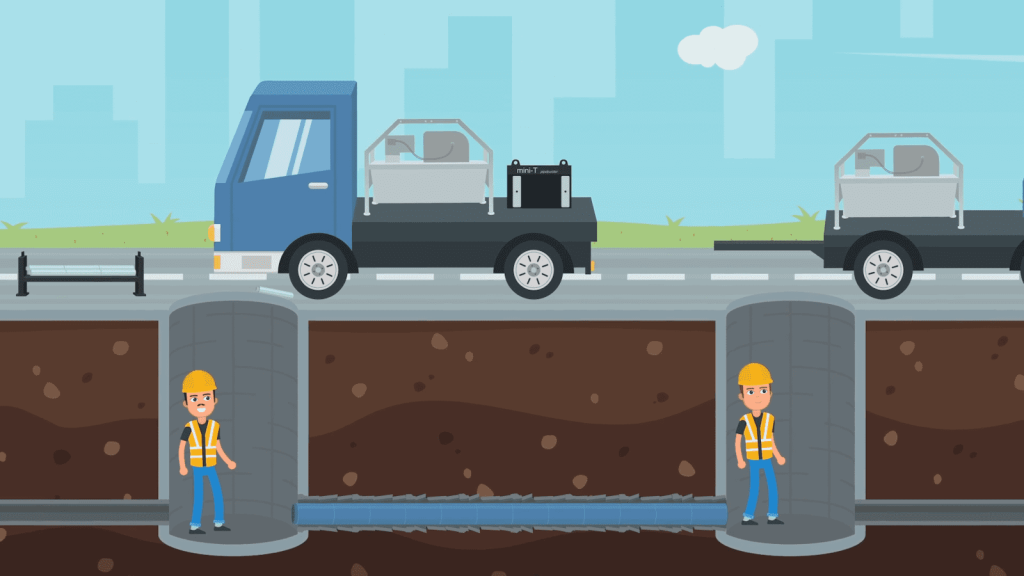
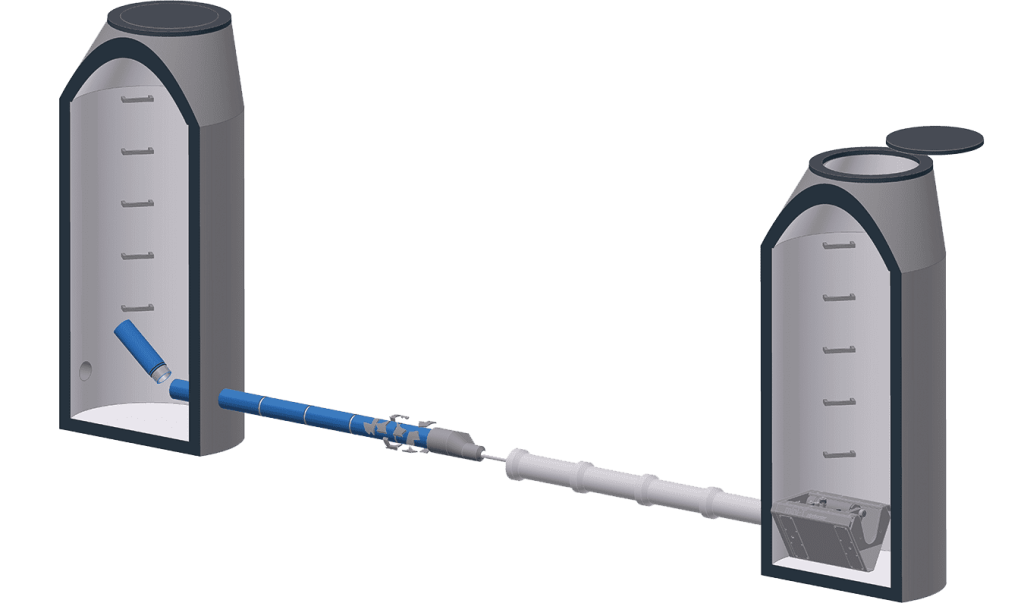
Two vertical shafts are prepared – one for the pipebursting unit, and one for inserting the new replacement pipe.
By hydraulic force, solid steel rods are pushed, one by one, up through the existing pipeline. Upon arrival at the second vertical shaft, the solid steel rods are connected to the bursting head and new replacement pipe. Due to the limited space, the new replacement pipe is normally a modular pipe.
Thereafter the pipeburster will pull the bursting head into the existing pipeline. The existing pipeline is split and pushed into the surrounding soil, and simultaneously replaced by the new replacement pipe.
When the bursting head arrives at the first vertical shaft, the job is completed.

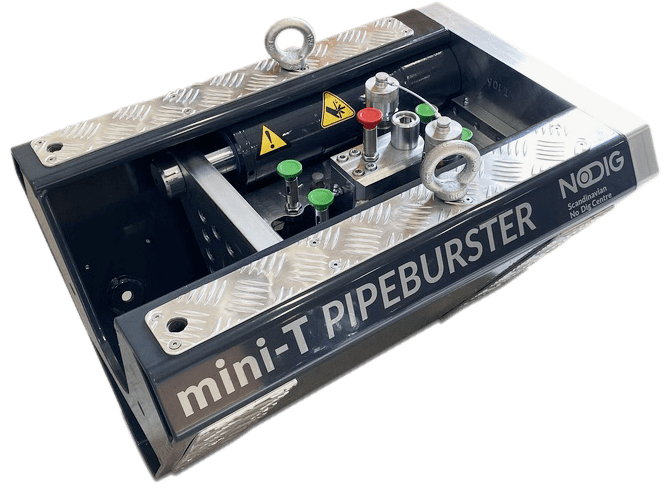
Mini-T Hydro-Static
Pipeburster

Designed for replacing smaller sewer pipes between service shafts and small excavations.
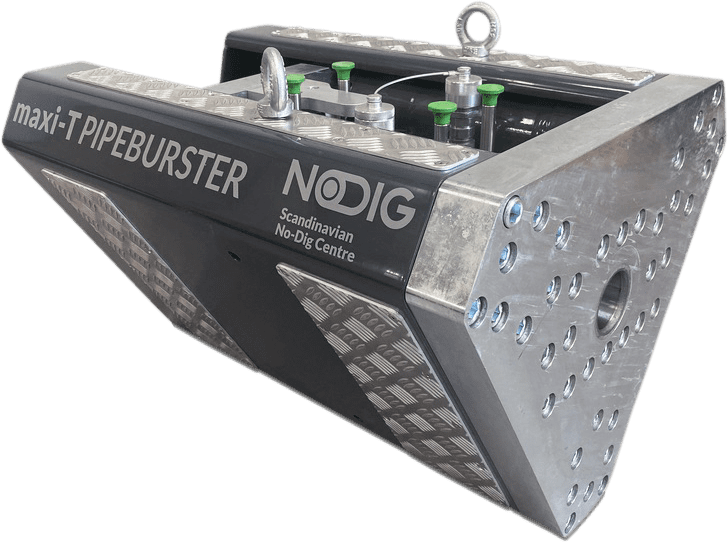
MAXi-T Hydro-Static
Pipeburster

Designed for replacing larger sewer pipes between service shafts and small excavations.

Pipe Replacement Using Click Modules

Animated video explaining how click modules are used for pipe replacement between two vertical shafts with the help of the Mini-T Pipeburster.

Pipebursting From Shaft to Shaft in Berlin

From Ø125 mm. Clay Pipe to Ø160 mm. PP-module pipe.

Pipe Replacement Using Threaded Modules

Animated video explaining how threaded modules are used for pipe replacement between two vertical shafts with the help of the Mini-T Pipeburster.

Scroll to Top