
Replacement of underground pipes - non dig technology
Revolutionizing Infrastructure Development
Trenchless Pipeline
Laying Technology:
Trenchless Pipeline Laying (TPL) technology has emerged as a game-changer in the installation of pipelines for water, sewerage, electric, and gas systems. This innovative approach becomes particularly pertinent when working beneath existing structures or in hard-to-reach areas, preserving ecosystems and landscapes.
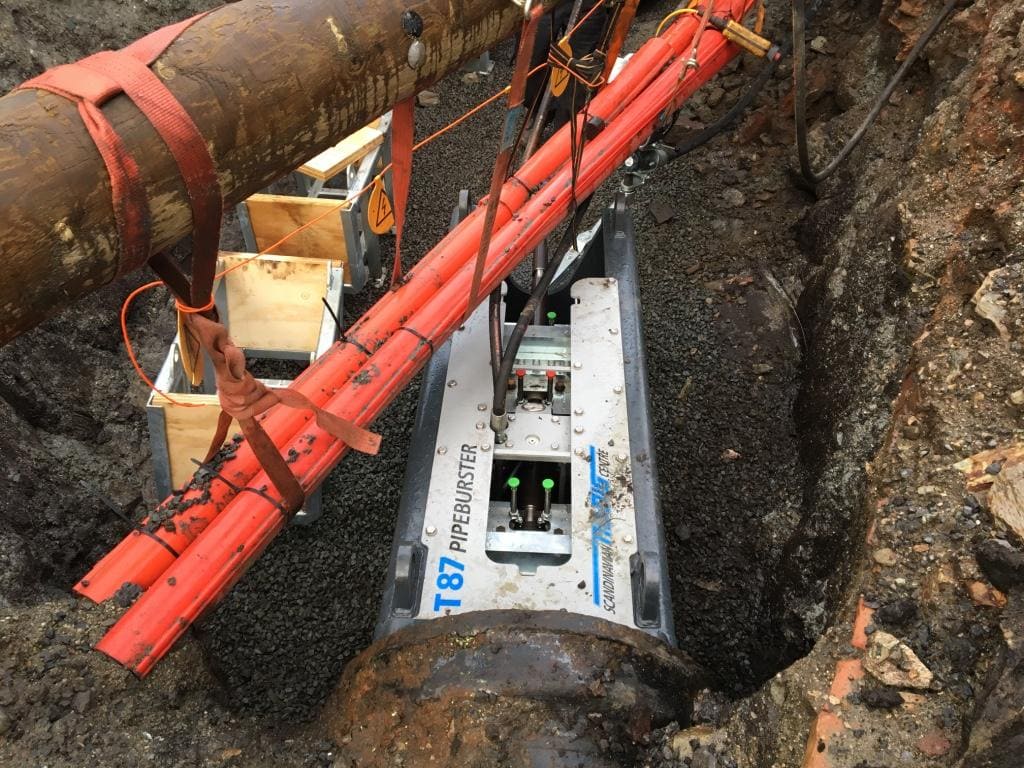
Trenchless pipe laying, also known as no-dig or trenchless technology, revolutionizes the traditional methods of installing underground pipelines. This innovative approach offers numerous advantages that make it increasingly popular in various industries. Here’s an exploration of the benefits of trenchless pipe laying technology.
Minimal Disruption: Trenchless technology significantly reduces disruption to the surrounding environment. Unlike traditional open-cut methods, it doesn’t require extensive excavation, minimizing the impact on landscapes, roads, and existing infrastructure. This is particularly advantageous in urban areas with dense populations and established structures.
Faster Installation: Trenchless pipe laying is often faster than traditional methods. The streamlined process involves specialized equipment that can complete projects more efficiently. This acceleration is particularly beneficial for projects with tight deadlines or those requiring swift implementation.
Cost-Effective: While the initial investment in trenchless technology may be higher than traditional methods, the overall cost tends to be lower. The reduced need for excavation lowers labor costs, and the quicker installation can lead to substantial savings in terms of project duration and associated expenses.
Preservation of Landscapes: Trenchless technology preserves landscapes and green spaces. It allows for the installation of pipelines beneath parks, gardens, and environmentally sensitive areas without causing damage to the surface. This is crucial for maintaining the ecological balance of urban and rural environments.
Reduced Environmental Impact: With less excavation comes a reduced environmental footprint. Trenchless methods minimize soil disturbance, which helps to protect local ecosystems. Additionally, these methods often result in less material waste and lower emissions, contributing to a more sustainable and eco-friendly construction process.
Versatility in Soil Types: Trenchless technology is adaptable to various soil conditions. Whether dealing with rocky terrain, clay, or sandy soil, specialized equipment and techniques can navigate and install pipelines efficiently. This versatility enhances the applicability of trenchless methods across diverse geographical locations.
Enhanced Safety: Trenchless pipe laying prioritizes safety for both workers and the general public. The reduced excavation means fewer open trenches, lowering the risk of accidents and injuries. This is particularly beneficial in densely populated areas where safety concerns are paramount.
Longevity and Durability: Trenchless installations often result in pipelines with improved durability. The absence of joints along the pipeline’s length minimizes the potential for leaks or structural weaknesses, contributing to a longer lifespan and reduced maintenance requirements.
In conclusion, trenchless pipe laying technology offers a host of advantages, ranging from environmental sustainability to cost-effectiveness and enhanced safety. As technology continues to advance, the widespread adoption of trenchless methods is likely to persist, transforming the landscape of underground infrastructure development.