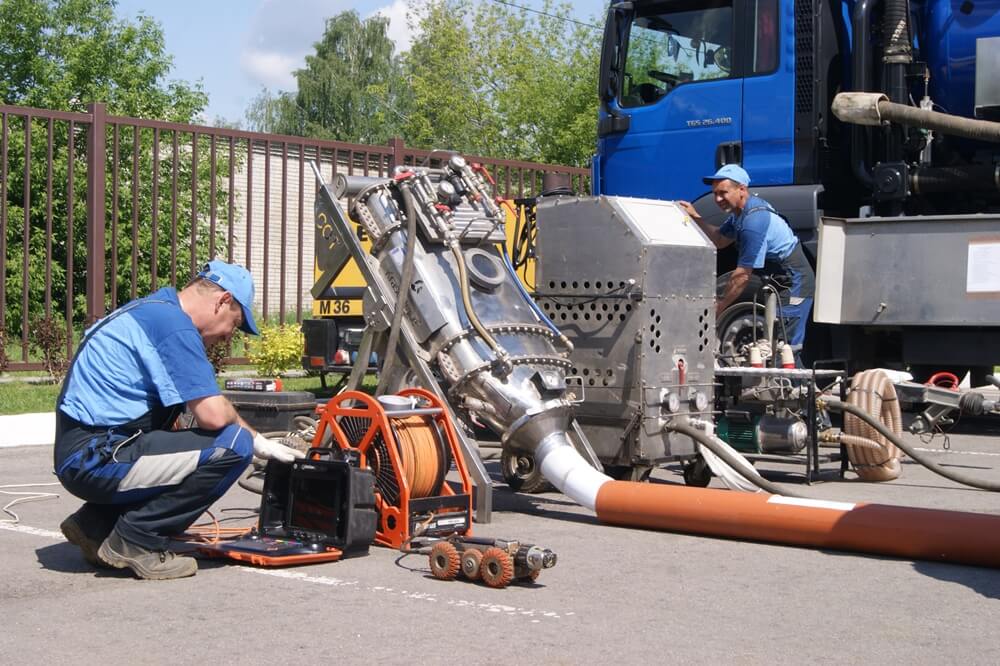
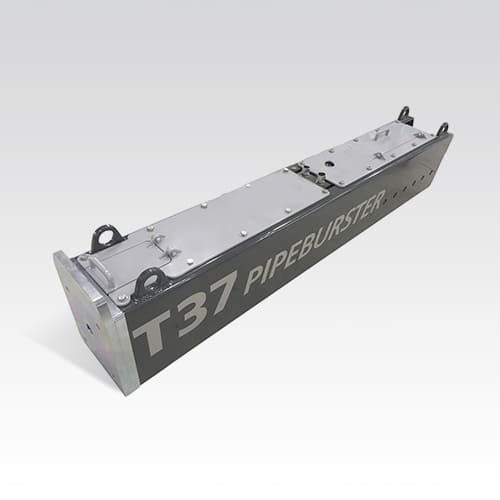
T37 Hydro-Static Pipeburster
This model is specifically designed for the water and gas industry. Where parallel utilities and lack of space can prevent the use of standard machines, the slim and narrow design (300 mm.), enables the contractor to undertake this type of work without hesitation.
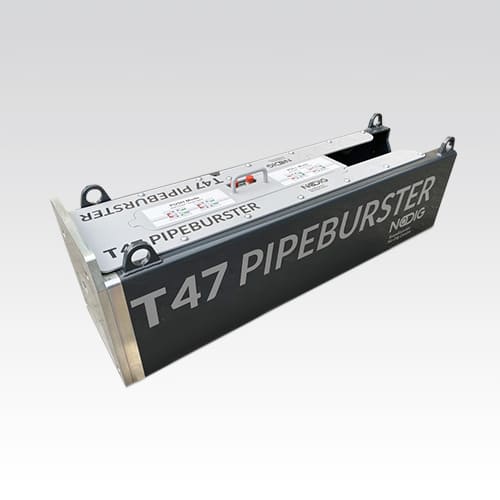
T47 Hydro-Static Pipeburster
Versatile midrange machine. The pulling force of this model makes it the most powerful machine in its class. Anything from asbestos to ductile is managed by the T47.
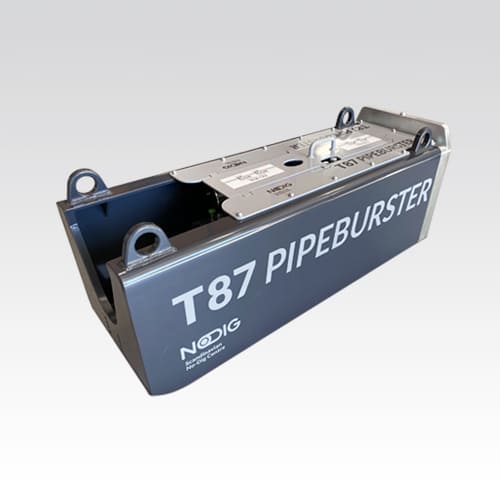
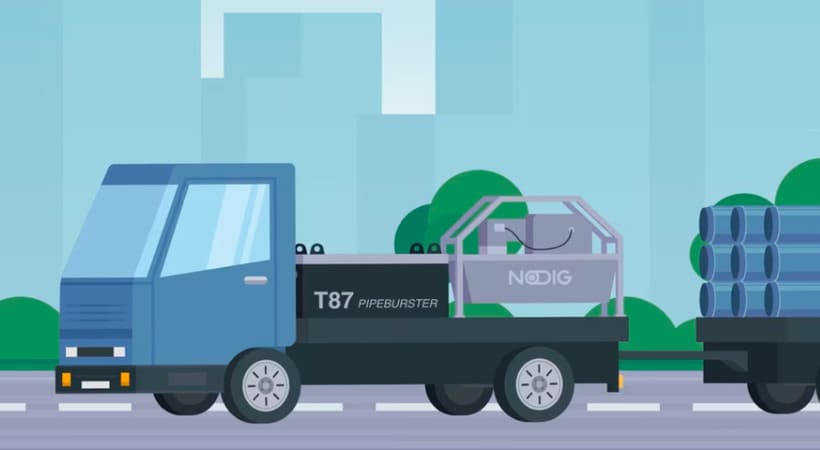
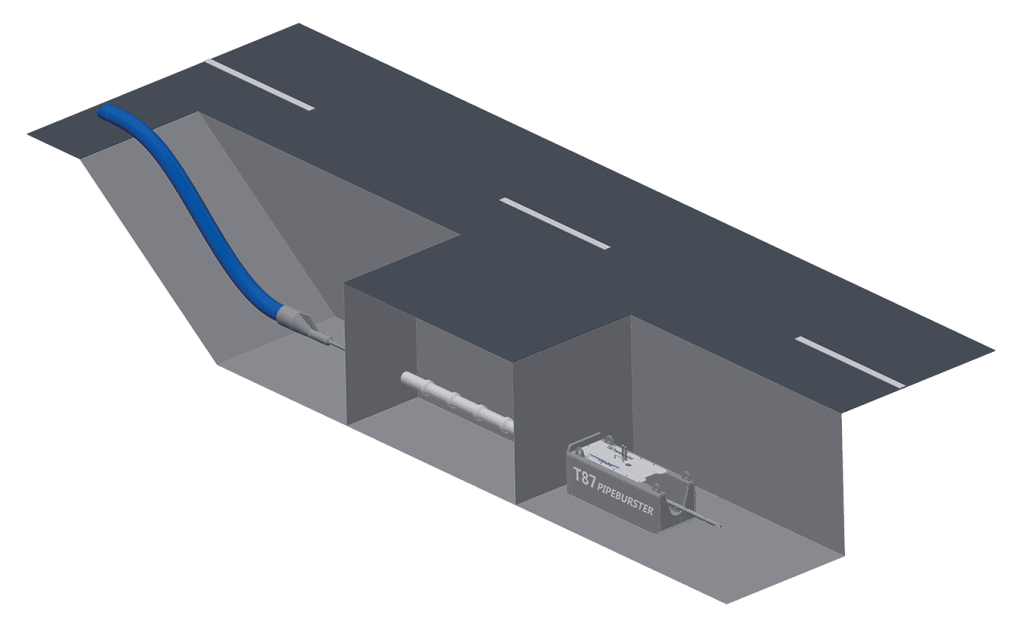
T87 Hydro-Static Pipeburster
The successful combination of size and power has been brought together in the T87 pipeburster. High speed, great power and very low fuel consumption has made this our bestselling model, since it was introduced to the market.
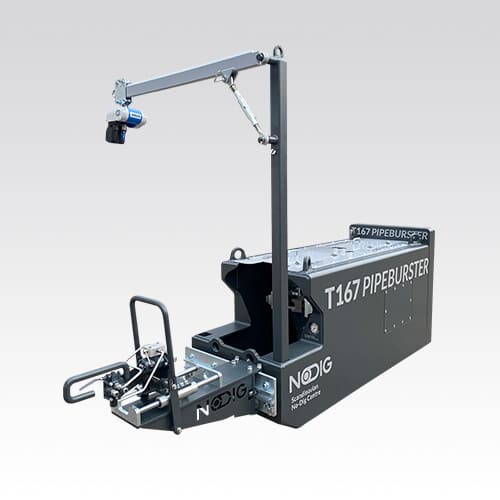
T167 Hydro-Static Pipeburster
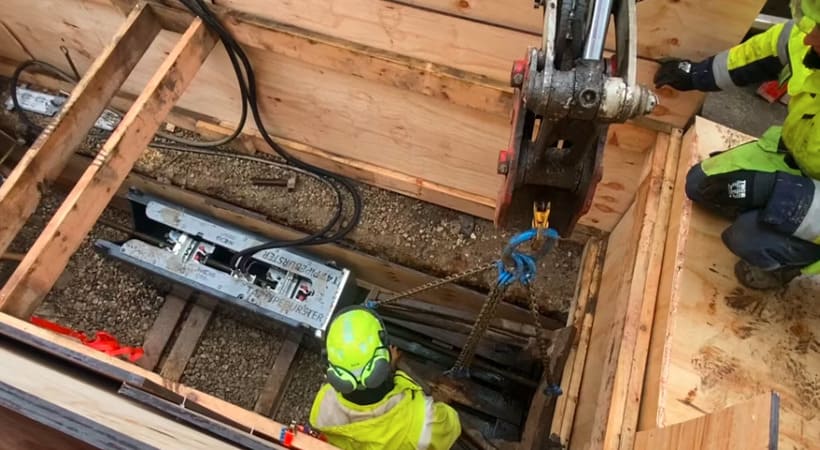
Self-contained unit, which includes; on-board electric crane for easy rod handling and on-board hydraulic rod spinner. Depending on pipe size, the T167 can operate from within a standard 4-meter trench box.
- Video examples